Sleep Apnea Therapy – Collinsville, VA
Get the Quality Sleep You Deserve!
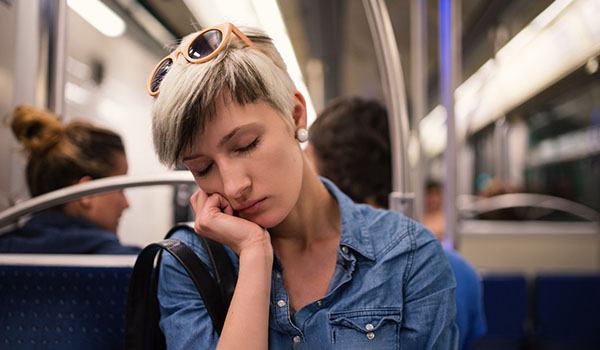
Has your partner informed you that you snore during the night? Maybe you find yourself constantly sleepy throughout the day. Sleep apnea can take a toll on your everyday life in a variety of different ways. Sleep apnea can also increase your risk of other health issues. The good news is that we offer sleep apnea therapy at Collinsville Dental Associates to help you get the quality sleep you deserve. Give us a call to schedule your first appointment!
Why Choose Collinsville Dental Associates for Sleep Apnea Therapy?
- Friendly, Professional Team
- Customized Oral Appliances
- We Treat Patients of All Ages
What Is Sleep Apnea?
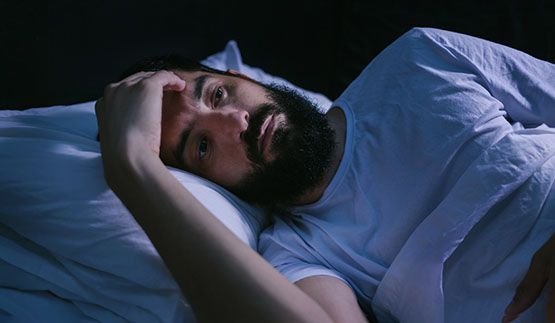
There are a few different types of sleep apnea with the most common type being obstructive sleep apnea. This occurs when the muscles located in your throat and the back of your mouth relax and collapse causing a blockage in your airway. This can cause you to snore loudly and stop breathing repetitively as you sleep. Most people who have this condition are unaware of it. Here are some of the most common symptoms you may experience:
- Daytime sleepiness
- Loud, chronic snoring
- Waking up with a dry or sore throat
- Morning headaches
- Waking up gasping for air or feeling out of breath
- Mood changes or irritability
- Memory loss
- Difficulty concentrating
The Dangers of Sleep Apnea

In addition to the frustrating symptoms listed above, sleep apnea can have even more detrimental effects. People who lack quality sleep struggle with focus, memory, depression, and reaction time. Untreated sleep apnea also increases your risk of developing heart disease and experiencing a cardiovascular event, like a heart attack. Pregnant women with untreated sleep apnea are also more likely to have a pre-term birth due to an increase in blood pressure. In the end, if you think you have sleep apnea, it is important that you seek treatment!
Sleep Apnea Treatment Options
There are a few different options when it comes to treating sleep apnea. Here are the most popular:
- CPAP Systems: CPAP stands for continuous positive airway pressure. It uses a forced air machine to move air into the nose and mouth, keeping the area clear while you sleep.
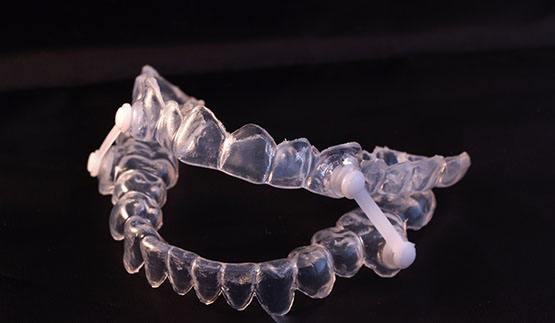
- Oral Appliance Therapy: This treatment uses a customized oral appliance to shift the jaw forward and place pressure on the throat and keep the airway clear. This allows patients to breathe deeply as they sleep.
- Combination Treatment: For some patients, a combination of CPAP and oral appliance therapy offers the perfect balance. The CPAP system uses a nasal-only mask to force air into the nose and the oral appliance shifts the jaw to keep the airway clear.
Sleep Apnea FAQs
Why Should I See a Dentist for Sleep Apnea Treatment?
Your dentist can play an important role in treating obstructive sleep apnea. This condition occurs when the tissues in the throat and mouth relax during sleep and interfere with normal airflow. A dentist trained in sleep apnea treatment can provide an oral appliance designed to gently hold your jaw or tongue in a position that helps keep your airway open while you sleep. This makes oral appliance therapy a convenient option for certain patients, especially those who have trouble using a CPAP machine. Your regular dental visits are also a chance for you to discuss concerns about snoring or other sleep-related symptoms with your dentist.
Does Everyone Who Snores Have Sleep Apnea?
Snoring and sleep apnea often go hand in hand, but one doesn’t automatically mean you have the other. Snoring can happen for several reasons, and some people with sleep apnea might not snore at all. However, loud or frequent snoring, especially when combined with symptoms like daytime fatigue or waking up throughout the night, can be a reason to look into your sleep health. A sleep study is the best way to determine whether sleep apnea is affecting your breathing while you rest.
Are There At-Home Remedies for Sleep Apnea?
Some lifestyle changes may help improve your sleep and reduce certain symptoms, but they shouldn’t replace professional treatment for sleep apnea. Staying active, limiting screen time before bed, maintaining healthy sleep habits, and finding a comfortable sleeping position can all support better rest. However, these steps won’t address the underlying airway blockage associated with obstructive sleep apnea. If you’ve been diagnosed with the condition, treatments such as oral appliance therapy or CPAP therapy can offer more direct and reliable support for keeping your airway open throughout the night.
Can I Diagnose Sleep Apnea on My Own?
It’s easy to become concerned about sleep apnea after noticing symptoms like loud snoring, restless sleep, or feeling tired during the day. That said, these signs alone aren’t enough to confirm that you have the condition. Even smartwatches and other sleep-tracking devices can only provide general information about your sleep patterns and aren’t designed to diagnose sleep apnea. If you think you might have the condition, a sleep test can provide a more accurate diagnosis and help determine which type of sleep apnea you have. From there, your healthcare providers can recommend treatment based on your specific needs.